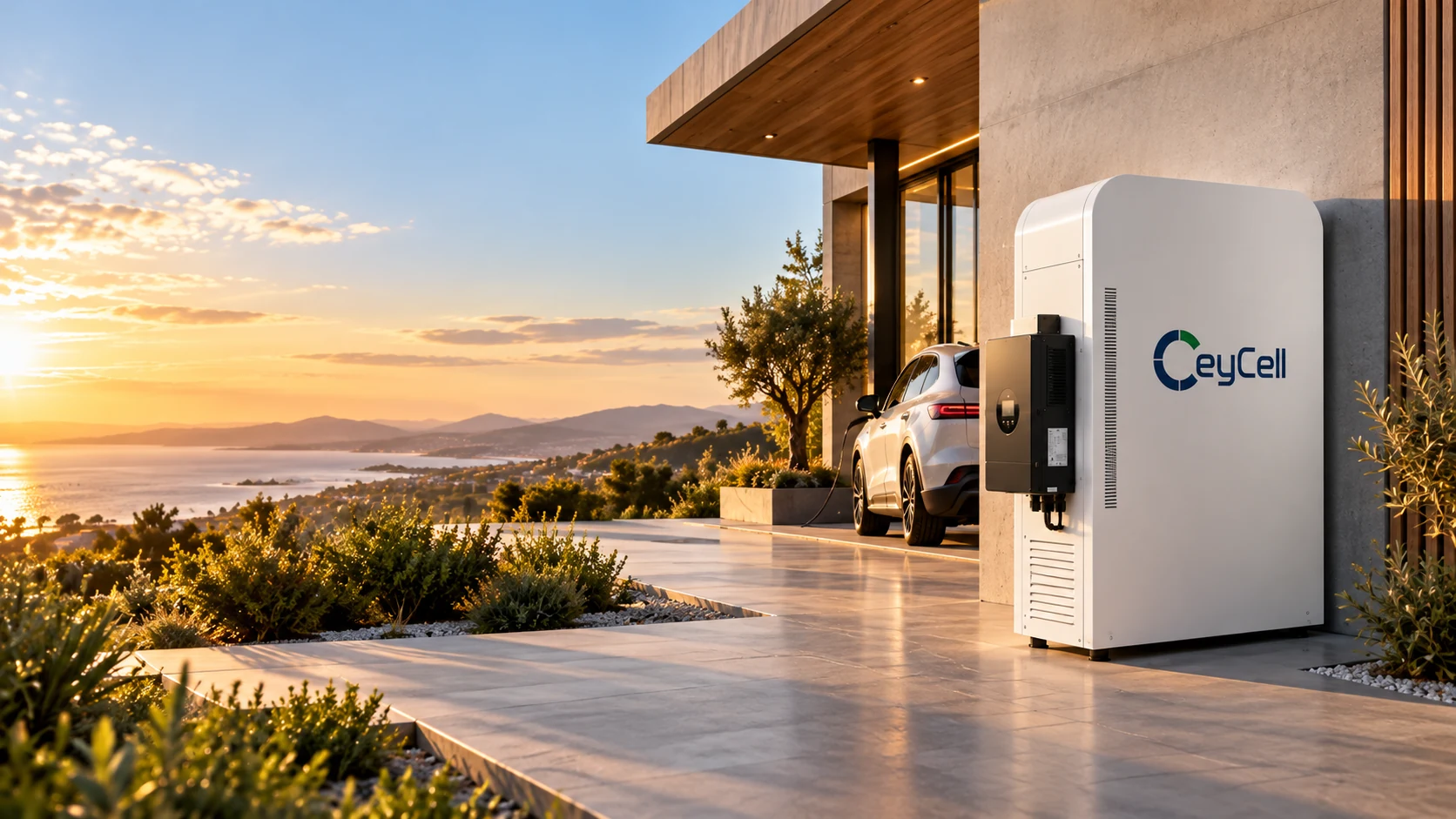
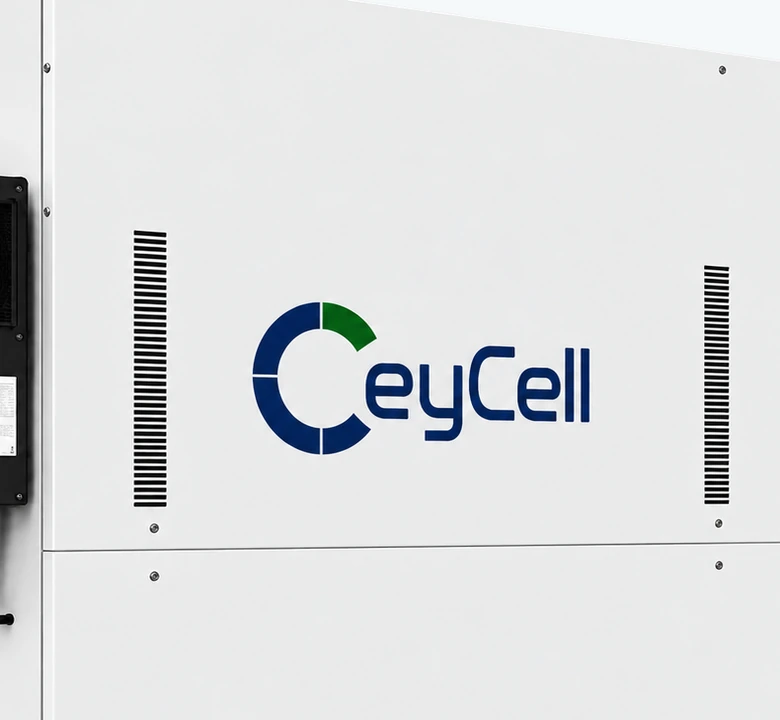
Fully sealed
A cabinet enclosure designed to separate internal components.
CeyCell stores energy as heat within a sealed thermo-chemical system instead of lithium-ion cells. Discover the safety design, independent testing references and the careful claims behind CeyCell.
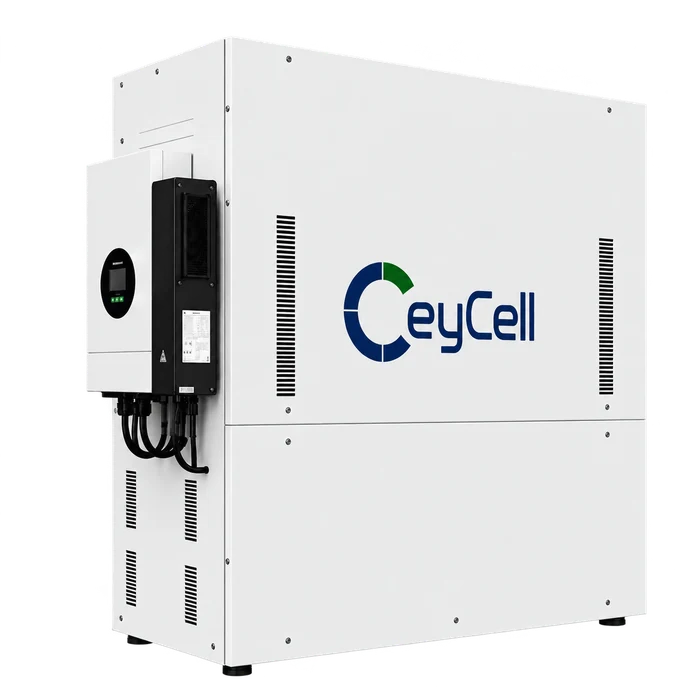
Battery safety starts with understanding the technology, enclosure and installation. CeyCell is designed around thermo-chemical storage rather than conventional lithium-ion cell packs, and this page explains the design and its limitations.
Assess the actual product specification, the full installed system and the available technical reports — not just a headline.
See the testing and compliance informationThese seven features are listed in the supplied catalogue. Safety must always be assessed in the context of the complete installed system.
The system is enclosed in a sealed cabinet, separating internal components from everyday living spaces.
Why it matters: enclosure integrity and correct installation help keep the system separate from occupants.
Passive cooling and thermal management are described in the product catalogue.
Why it matters: the design does not depend on constant fan or pump operation for the stated cooling approach.
The published system design is described as non-flammable.
Why it matters: fire-safety performance depends on the entire installation; review the relevant test reports and applicable codes.
The catalogue describes a non-explosive chemical configuration.
Why it matters: system safety must still be verified against the installation environment and local requirements.
The system incorporates over-discharge protection.
Why it matters: protection controls are intended to keep operation inside the stated limits.
The published system design specifies a stable voltage output.
Why it matters: stable electrical output supports reliable operation of compatible equipment.
Designed for continuous stationary energy storage service.
Why it matters: enclosure, cooling and operating requirements are intended for installed, fixed-location use.
CeyCell is described in the product catalogue as using a non-flammable thermo-chemical storage material rather than lithium-ion cells. IEC 61427-1:2013 concerns performance for off-grid solar use, not a dedicated fire-safety certification. The complete system and installation still require appropriate safety assessment.
The original site describes a fully sealed stationary unit with passive thermal management. It must still be installed in an appropriate protected location according to the manufacturer’s requirements.
A building surge must be addressed by the inverter, earthing and electrical protection system. The installer should assess and fit the correct surge protection for the site.
The published indoor cabinet systems are IP20 for indoor use, while the outdoor containerised systems are listed as IP54. Select the enclosure appropriate for the proposed location.
The original CeyCell presentation describes normal operation as sealed, without routine gas or odour emissions. Any abnormal smell or fault must be investigated by qualified service personnel.
A cabinet enclosure designed to separate internal components.
Ventilation details on the authentic CeyCell system.
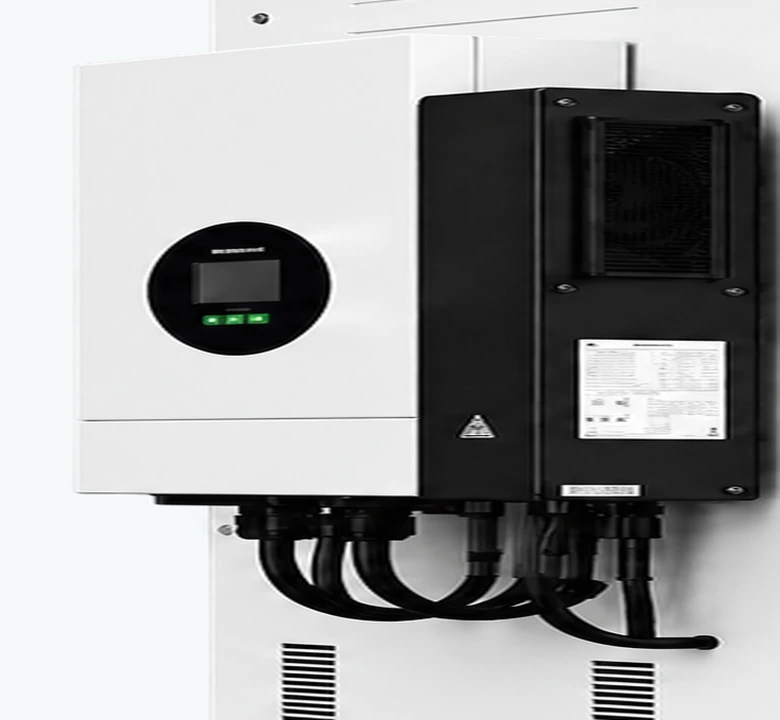
Electrical controls and safety markings.
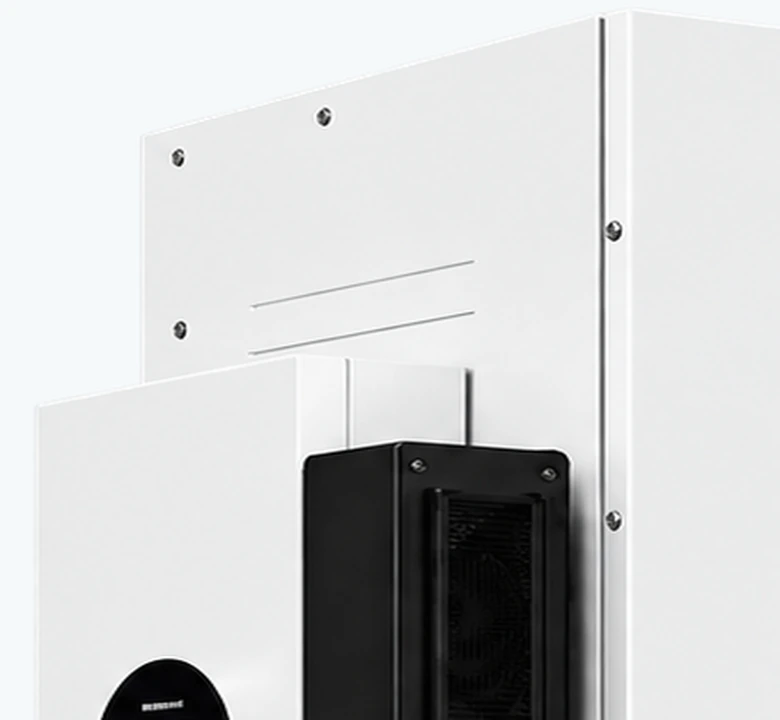
Cabinet construction designed for stationary use.
According to CeyCell’s supplied product catalogue, independent testing by the University of Moratuwa and reference to IEC 61427-1:2013 support the described technical validation. Certification scope and current compliance should be confirmed before external publication.
Independent technical testing referenced in the catalogue
Compliance statement as presented in the supplied catalogue
We will not claim a fire-safety rating that has not been independently established. IEC 61427-1:2013 is a performance standard; a performance test is not the same as a dedicated fire test. Every installation should be checked for relevant local safety and electrical requirements.
Read the compliance informationReview manufacturer documents, independent reports, protection design and site-specific requirements before specifying equipment.
CeyCell must meet the legal and technical requirements that apply to its installation. The information shown here follows the recorded original site and the published product catalogue; confirm current documentation with the technical team.
See the compliance detailsConsumer claims and applicable protection requirements must be considered when describing and selling a product.
Electrical installation, grid connection and energy-system requirements should be reviewed for each proposed site.
The supplied documentation references the University of Moratuwa and IEC 61427-1:2013. A test standard's scope should not be misrepresented as proof of all safety properties.
We aim to communicate in plain language, cite published performance information accurately and ensure site-specific suitability is discussed before installation.
Independent testing is referenced in the original site. Request the current test reports and review the documented scope before making purchase or regulatory decisions.
Let our team evaluate your site and system requirements.
Find my system Request a quote →