Renewable
power charges it
Your solar, or the grid,
powers the system up.
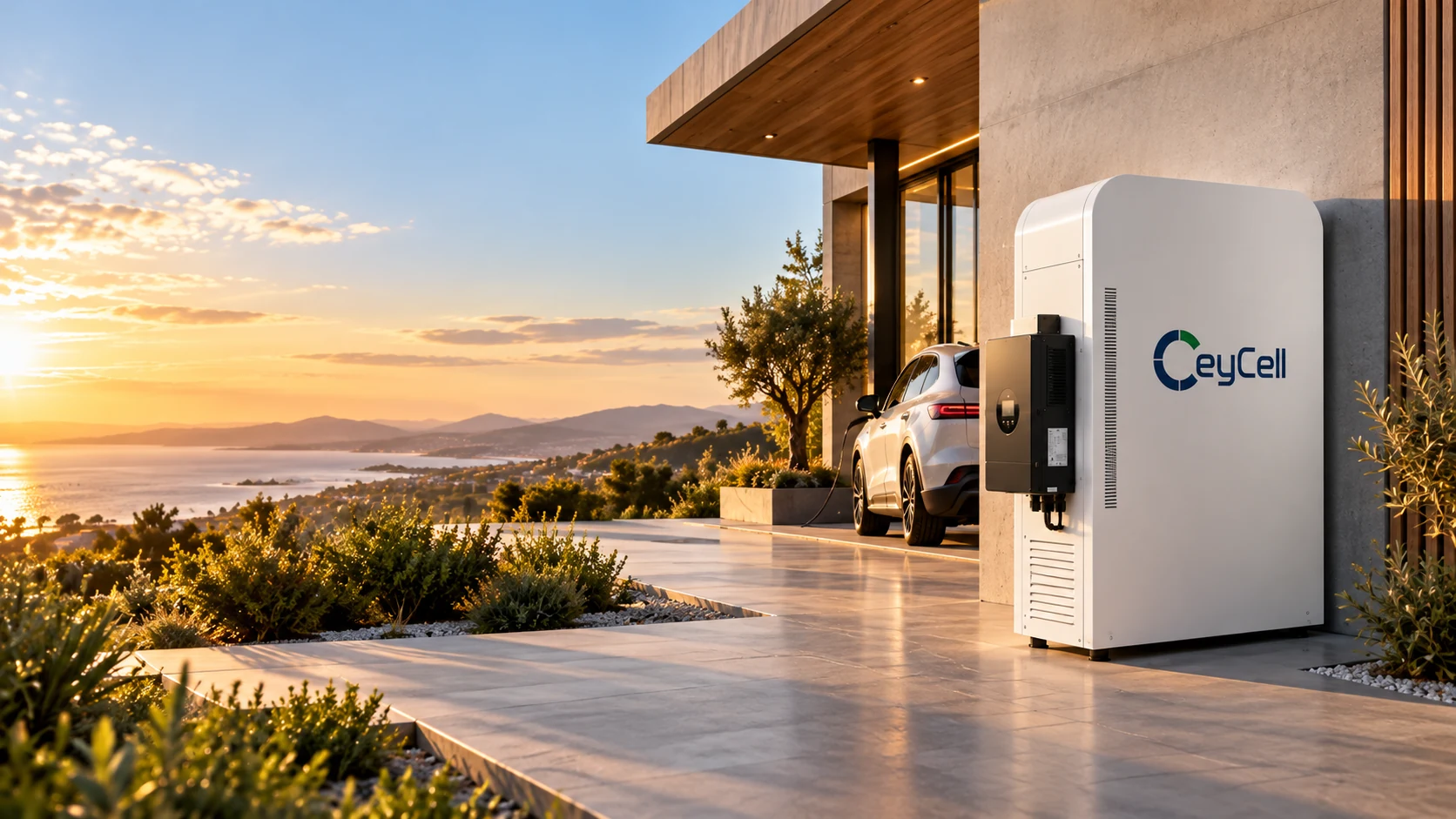
CeyCell is built around thermo-chemical energy storage. Instead of storing energy as chemical charge in lithium-ion cells, the system holds it as heat.
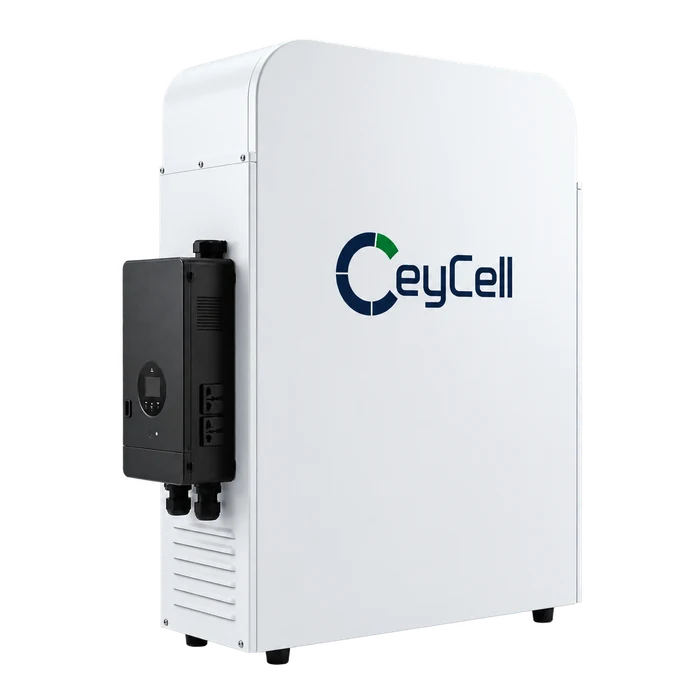
Electricity in. Held as heat, not lithium.
Electricity out — and round again,
6,000 cycles. That is the cycle built to
stay on forever.
Your solar, or the grid,
powers the system up.
That electricity heats a coil
inside a patented chemical gel.
The gel holds that heat for
a long time, ready to use.
When you need power, the stored
heat becomes electricity again.
This comparison is straight from the catalogue. It puts the two side by side, plainly,
without running lithium down.
| Feature | CeyCell | Lithium-ion |
|---|---|---|
| Energy storage | Stores energy as heat in a patented chemical gel (thermo-chemical). | Stores energy as chemical charge in electrochemical cells. |
| Discharge duration | Long duration — up to 20 hours of power continuously. | Short duration — typically 1 to 4 hours. |
| Safety | Non-flammable, non-explosive, and heat stable. | Flammable, with a risk of thermal runaway and fire. |
| Lifespan | Extremely long cycle life, with minimal degradation. | Limited cycle life; performance degrades over time. |
| Environmental impact | Eco-friendly materials, non-toxic, and fully recyclable. | Uses critical minerals, chemical electrolytes, and toxic materials. |
| Maintenance | Low maintenance; robust and durable design. | Requires active management and temperature control. |
| Operating conditions | Performs across a wide temperature range with high reliability. | Performance is affected by high and low temperatures. |
| Total cost of ownership | Lower — long life, safety, and low maintenance. | Higher — replacement, management, and safety systems. |
Source: original CeyCell manufacturer comparison. Generalisations about competing technologies, environmental impact and total cost are manufacturer claims, not independent comparative test results. Actual performance depends on configuration, installation and operating conditions.
According to CeyCell’s supplied product catalogue, independent testing by the University of Moratuwa and reference to IEC 61427-1:2013 support the described technical validation. Certification scope and current compliance should be confirmed before external publication.
Independent technical testing referenced in the catalogue
Compliance statement as presented in the supplied catalogue
CeyCell is presented as thermo-chemical storage. Product safety still depends on installation and the complete electrical system.
The catalogue publishes up to 20 hours of operating duration under specified conditions. A site assessment determines the actual running time.
The catalogue describes passive cooling and a 6,000-cycle design at 90% depth of discharge; warranty and performance terms apply.
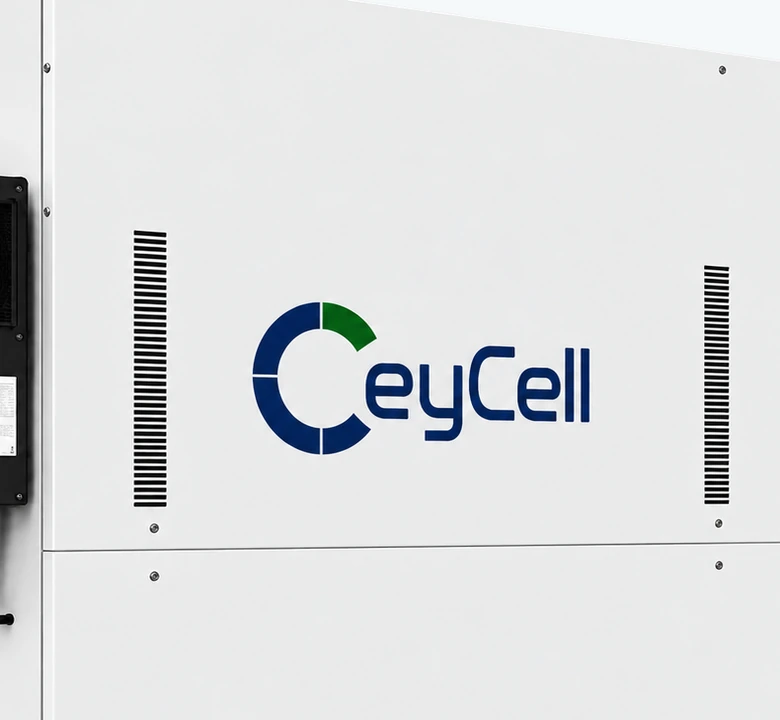 Enclosed construction
A real look at the original cabinet body.
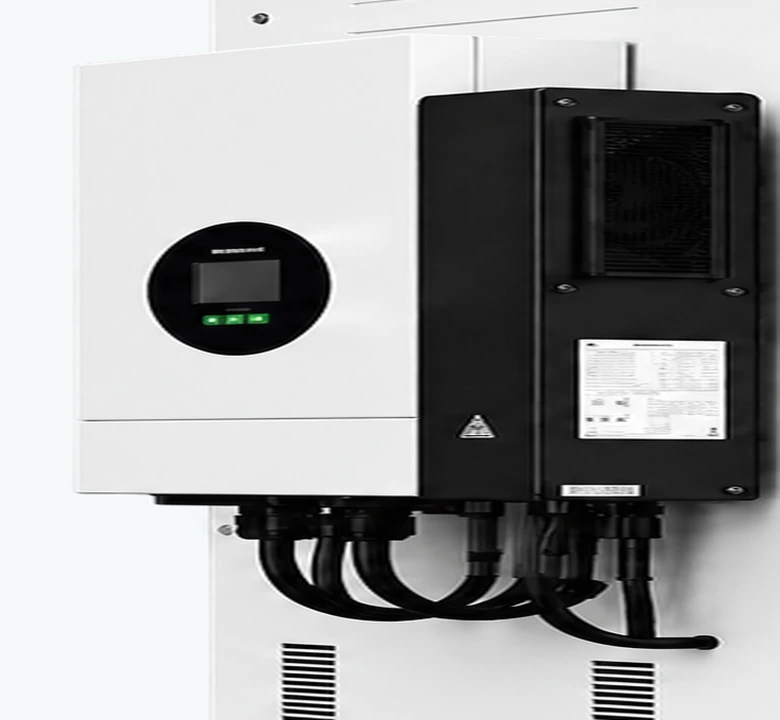 Hybrid control
Electrical integration for the site design.
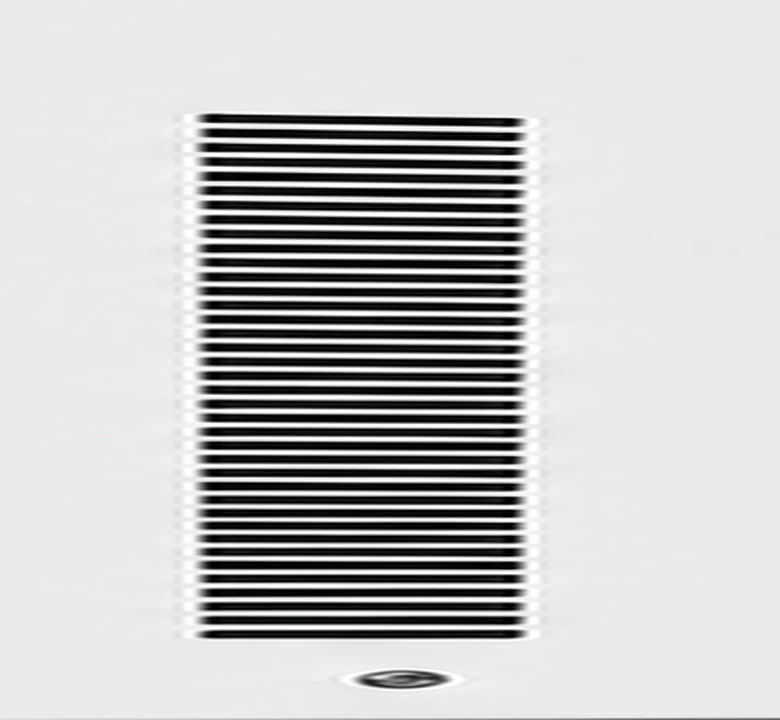 Passive cooling
Detail of the actual product enclosure.
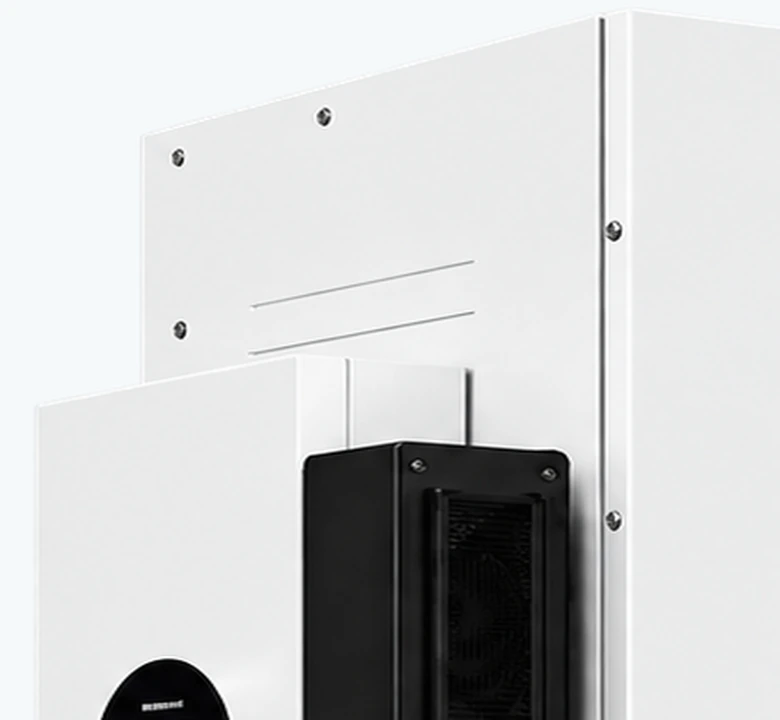 Clean connections
Stationary equipment built for a fixed location.
A system assessment identifies the model and configuration for your project.
Find my system Request a quote →